
Conservatories
Conservatories serve as versatile home extensions that bring the beauty of the outdoors inside, enhancing living spaces and providing a unique environment for relaxation, entertainment, or even gardening
Content
- Types of conservatories
- The Stages of a Conservatory Project
- Average Conservatory Cost
- How Long Do Conservatories Take to Build
- Stages of Construction
- How to Reduce Conservatory Costs:
- Regular Maintenance and Care:
- Types of Conservatories: Which is the Cheapest Option?
- What is the difference between a conservatory and an orangery, a sunroom, or a gar-den room?
- Is a conservatory cheaper than an extension?
- Planning permission. Do I need it?
- How can I make my conservatory more comfortable and energy-efficient?
- FAQ
- Useful conservatory checklist
- Conclusion
Types of Conservatories
Conservatories are available in a range of styles, each with its unique characteristics and design elements. Understanding the different types of conservatories can help you select one that aligns with your preferences and complements your home's architecture.
The Victorian Conservatory

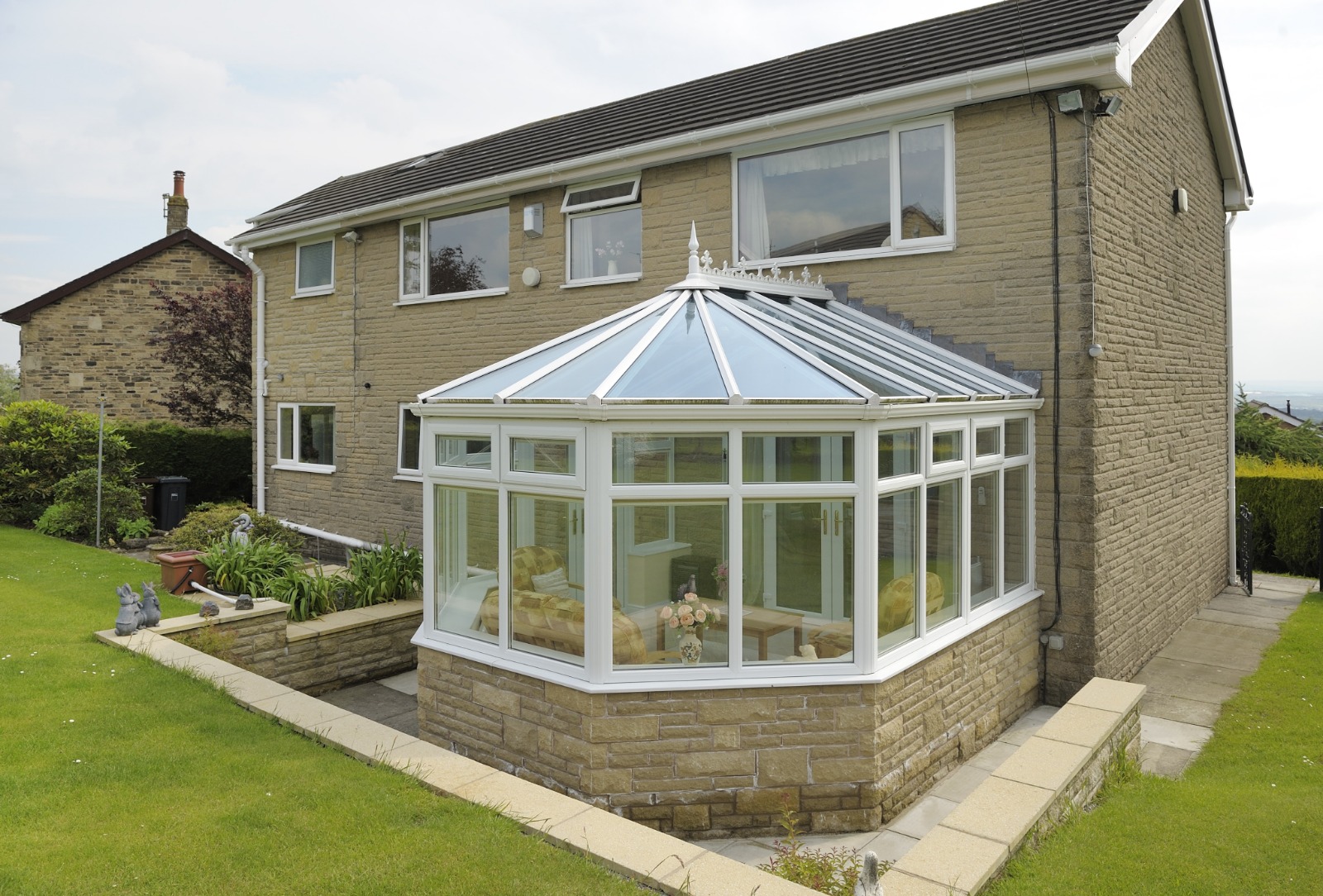
The Victorian Conservatory is a popular choice characterized by its elegant design, steeply pitched roof, ornate ridge details, and a multi-faceted shape. This style often features decorative finials and intricate crestings, adding a touch of sophistication to any home. Victorian conservatories are versatile and suit both traditional and modern properties.
Edwardian conservatories

Edwardian conservatories boast a square or rectangular floor plan, maximizing internal space utilization. They typically feature a flat front and a hipped roof, offering a timeless and symmetrical aesthetic. Edwardian conservatories are known for their clean lines and simple design, making them a practical choice for homeowners seeking a classic look.
Lean-To Conservatory

Lean-to conservatories, also known as sunrooms or Mediterranean conservatories, are characterized by their sleek and minimalist design. These conservatories have a sloping roof that "leans" against the existing structure, making them ideal for properties with limited space or contemporary architecture.
Lean-to conservatories are cost-effective and versatile, providing a seamless extension of indoor living areas.
P-shaped conservatories

P-shaped conservatories combine the features of both Victorian and Edwardian styles, creating a versatile and spacious living space. This design is ideal for homeowners looking to separate areas for different functions, such as dining and relaxation. The P-shaped conservatory offers flexibility in layout and can complement various property styles.
Gable-End Conservatory

Gable-end conservatories feature a high-pitched roof with a vertical front, creating a grand and impressive appearance. The gable end is typically constructed with a triangular window, allowing natural light to flood the interior space. This style adds a sense of height and grandeur to a property, making it a popular choice for homeowners seeking a striking conservatory design.
Orangery

While technically not a conservatory, an orangery combines elements of both conservatories and traditional home extensions. Orangeries feature brick walls with large windows, a flat roof with a central lantern, and a perimeter fascia for a more substantial and permanent structure. This style offers a blend of natural light and solid walls, creating a luxurious and elegant living space.
These various styles of conservatories cater to different preferences and requirements, providing homeowners with a wide array of options to choose from based on their aesthetic preferences and functional needs.
The Stages of a Conservatory Project
Embarking on a conservatory project involves several crucial stages that lay the foundation for a successful outcome. From initial planning to final installation, each stage plays a vital role in shaping the design, functionality, and cost of the conservatory. Let’s explore the key stages involved in a typical conservatory project.
Planning Stage
The planning stage is the foundation of any conservatory project and involves crucial decisions regarding design, size, layout, and budget. During this phase, homeowners work closely with architects, designers, or conservatory specialists to create a detailed plan that aligns with their vision and requirements. Considerations such as the purpose of the conservatory, desired aesthetics, building regulations, and planning permissions are addressed at this stage to ensure a smooth progression of the project.
Material Selection
Choosing the right materials for your conservatory is essential for achieving durability, energy efficiency, and aesthetic appeal. Common materials used in conservatory construction include uPVC, timber, and aluminium for frames, as well as glass or polycarbonate for roofing. Each material has its advantages and considerations, such as maintenance requirements, thermal efficiency, and cost. Selecting high-quality materials that suit your preferences and budget is crucial for the longevity and performance of your conservatory.
Hiring a Specialist
Hiring a reputable and experienced conservatory specialist is a critical step in ensuring the successful completion of your project. Conservatory specialists possess the expertise, skills, and resources necessary to design, construct, and install conservatories with precision and quality craftsmanship. When choosing a specialist, consider factors such as industry experience, certifications, portfolio of past projects, customer reviews, and warranties offered. Working with a trusted professional can streamline the construction process and provide peace of mind throughout the project.
Installation and Construction
The installation phase involves the physical construction of the conservatory based on the approved design and plans. Skilled tradespeople, including builders, glaziers, electricians, and plumbers, collaborate to assemble the structure, install windows and doors, fit roofing materials, and connect utilities as needed. Proper coordination, attention to detail, and adherence to safety standards are paramount during the construction phase to ensure a high-quality finish and compliance with building regulations.
Interior Design and Finishing Touches
Once the structural elements of the conservatory are in place, attention turns to interior design and finishing touches. Homeowners have the opportunity to personalize their conservatory with furniture, lighting, flooring, and decor that complement the overall aesthetic and enhance functionality.
Considerations such as heating and ventilation systems, window treatments, and landscaping around the conservatory can further enhance the comfort and visual appeal of the space.
Average Conservatory Costs
Understanding the average costs associated with building a conservatory is crucial for budget planning and decision-making. Several factors influence the overall cost of a conservatory, including the size, design complexity, materials used, and additional features. By exploring the typical expenses involved in constructing a conservatory, homeowners can gain insight into budget considerations and potential cost saving strategies.
Factors Affecting Conservatory Costs
The cost of a conservatory can vary significantly based on a range of factors. Here are some key elements that influence conservatory prices: Larger conservatories with intricate designs or unique shapes typically require more materials and labor, resulting in higher costs. The choice of materials, such as uPVC, timber, aluminum, or glass, can impact the overall cost of the conservatory. High-quality materials may incur a higher initial investment but offer greater durability and energy efficiency.
Glazing Opting - for advanced glazing options, such as self-cleaning or energy-efficient glass, can increase the cost of the conservatory but provide long-term benefits in terms of insulation and maintenance.
Roofing - Different roofing materials, such as glass, polycarbonate, or tiled roofs, come with varying price points and maintenance requirements. The complexity of the roof design can also affect costs.
Foundation and Base - The type of foundation required for the conservatory, such as concrete or steel, as well as the need for additional base construction, can contribute to overall expenses.
Installation and Labor - Labor costs for construction, including groundwork, framing, glazing, electrical work, and plumbing, are a significant component of conservatory expenses.
Location and Accessibility Site-specific factors, such as terrain, access to utilities, and local building regulations, can impact costs. Urban areas or locations with challenging terrain may incur higher installation costs.
Additional Features - Incorporating features like heating systems, ventilation, blinds, flooring, and electrical outlets into the conservatory design will add to the total project cost.
Average Cost Range
The average cost of building a conservatory in the UK typically ranges from £10,000 to £30,000 or more, depending on the factors mentioned above. Smaller, simpler conservatories with basic features may fall towards the lower end of the price spectrum, while larger, bespoke designs with premium materials and additional amenities can exceed the higher range.
Cost Breakdown
To provide a more detailed breakdown of conservatory costs, here is a rough estimate of how expenses may be distributed across different components:
- Materials (Frames, Glass, Roofing) 35-45% of total cost
- Labor and Installation 25-35% of total cost
- Foundation and Base Work 10-15% of total cost
- Finishing Touches and Additional Features 10-15% of total cost
Understanding the average costs and cost breakdown of a conservatory project can help homeowners plan their budget effectively and make informed choices throughout the construction process.
How Long Do Conservatories Take to Build
The timeline for constructing a conservatory can vary depending on various factors, including the size, design complexity, materials used, weather conditions, and the efficiency of the construction team. By understanding the typical duration of a conservatory project, homeowners can better plan for the construction process and set realistic expectations for project completion.
Average Construction Timeline
On average, a standard conservatory project can take anywhere from 8 to 16 weeks to complete, from the initial planning stages to final installation. This timeline includes various phases such as design consultation, obtaining necessary permits, site preparation, construction, and finishing touches.
However, the actual duration may vary based on the following factors:
Size and Complexity - Larger or more complex conservatories may require additional time for construction and installation.
Customization Custom-designed conservatories with unique features or intricate details may prolong the construction timeline.
Materials and Availability - Delays in sourcing materials or specific components can impact the overall project timeline.
Weather Conditions - Adverse weather conditions, such as heavy rain or snow, can slow down construction progress and extend the project timeline.
Site Preparation - Factors like groundworks, foundation installation, and landscaping can influence the duration of the project.
Planning Permissions - Obtaining necessary permits and approvals from local authorities can add time to the overall construction timeline.
Stages of Construction
The construction of a conservatory typically involves the following stages, each contributing to the overall timeline:
Site Survey and Design Consultation: 1-2 weeks
Planning and Permit Applications: 2-4 weeks
Groundwork and Foundation Installation: 1-2 weeks
Frame and Roof Installation: 2-4 weeks.
Glazing, Doors, and Finishing Touches: 1-2 weeks.
Interior Design and Furnishing: 1-2 weeks
Tips to Expedite Construction
To help streamline the construction process and reduce the overall project timeline, homeowners can consider the following strategies:
Effective Planning: Thoroughly plan and finalize design details before construction begins to minimize changes during the build.
Clear Communication: Maintain open communication with the construction team to address any issues promptly and keep the project on track.
Proactive Problem-Solving: Anticipate potential challenges and have contingency plans in place to address unexpected delays.
Efficient Material Sourcing: Ensure timely procurement of materials to prevent delays in construction due to material shortages.
By understanding the factors influencing the duration of a conservatory project and implementing strategies to expedite construction, homeowners can achieve a timely and successful completion of their desired living space.
How to Reduce Conservatory Costs:
Reducing conservatory costs without compromising on quality or functionality is a common goal for homeowners looking to maximize their budget. By exploring cost-saving strategies and practical tips, individuals can make informed decisions that help achieve a cost-effective conservatory project. Here are several ways to reduce conservatory costs without sacrificing the overall design and performance:
Set a Realistic Budget:
Establishing a clear budget from the outset of the project is essential for managing costs effectively. Define your budget based on your financial capacity, desired features, and quality standards. Having a well-defined budget can help prioritize expenses and avoid overspending during the construction process.
Compare Multiple Quotes:
Seek quotes from multiple conservatory specialists or contractors to compare prices, services, and materials. By obtaining several quotes, you can identify competitive pricing and negotiate favorable terms to secure the best value for your investment.
Choose for Standard Designs
Choosing a standard conservatory design over a bespoke or highly customized option can help reduce costs. Standard designs are often more cost-effective due to their simplicity and ease of construction, requiring fewer specialized materials and labour hours.
Select Cost-Effective Materials

Opt for high-quality yet cost-effective materials that offer durability and energy efficiency. Consider materials like uPVC frames, standard glazing options, and efficient roofing solutions that provide value for money without compromising on performance.
DIY or Partial Self-Installation:
Depending on your skills and experience, consider undertaking certain aspects of the installation yourself to reduce labour costs. Simple tasks such as painting, landscaping, or minor assembly can be done independently or with the help of family and friends to save on professional installation fees.
DIY conservatory kits provide homeowners with prefabricated components and instructions for self-assembly, allowing for cost savings on labour and installation.
Cost Consideration: DIY conservatory kits can be a cost-effective option for those with basic construction skills and a willingness to undertake the assembly process themselves. While DIY kits offer upfront savings on labour costs, homeowners should ensure they have the necessary tools, knowledge, and time to complete the project successfully.
Utilize Existing Structures:
Integrate the conservatory with existing structures, such as the house or garage, to reduce the need for additional foundations or structural elements. By leveraging existing walls or foundations, you can minimize construction costs and streamline the building process.
Energy-Efficient Features:
Incorporate energy-efficient elements into your conservatory design to reduce long-term operating costs. Features like double-glazed windows, insulation, and efficient heating systems can lower energy bills and enhance the sustainability of your conservatory.
Plan for Future Use:
Consider the intended use of the conservatory and plan for future needs to avoid costly modifications or expansions down the line. By designing a versatile and functional space that meets your current and future requirements, you can prevent the need for costly renovations in the future.
Choose Local Suppliers
Opting for local suppliers for materials and services can help reduce transportation costs and support the community. Local suppliers may offer competitive pricing and faster delivery times, contributing to overall cost savings for your conservatory project.
Negotiate Discounts and Special Offers
Don't hesitate to negotiate with conservatory specialists or suppliers to secure discounts, promotions, or special offers. Many providers may be willing to offer price reductions or bundle deals for multiple services, helping you save money on various aspects of the project.
Maintain Regular Communication:
Stay in regular communication with your construction team to address any cost overruns or unexpected expenses promptly. By maintaining transparency and discussing budget concerns openly, you can work together to find cost-effective solutions and stay within your financial limits.
Plan for Long-Term Maintenance:
Factor in long-term maintenance costs when budgeting for your conservatory project. Choosing durable materials and investing in preventive maintenance measures can help prolong the lifespan of your conservatory and minimize repair expenses over time.
Consider Financing Options:
Explore financing options, such as loans or payment plans, to spread out the cost of your conservatory project over time. By carefully assessing your financial situation and choosing a payment structure that aligns with your budget, you can make the project more affordable and manageable.
Avoid Unnecessary Features:
Focus on essential features and functionalities in your conservatory design to avoid unnecessary expenses. Prioritize elements that add value to your living space and enhance usability, while eliminating costly additions that may not align with your needs or budget.
Regular Maintenance and Care:
Implement a regular maintenance schedule for your conservatory to prevent costly repairs and ensure its longevity. Cleaning, inspecting, and addressing minor issues promptly can help avoid major expenses and preserve the condition of your conservatory over time.
By implementing these cost-saving strategies and considerations, homeowners can achieve a cost effective conservatory project that meets their aesthetic, functional, and budgetary requirements. Planning, communication, and smart decision-making are key to reducing conservatory costs without compromising on quality or satisfaction.
Types of Conservatories: Which is the Cheapest Option?
When considering the cost of building a conservatory, the choice of conservatory type plays a significant role in determining the overall expenses. Different conservatory styles offer varying levels of complexity, sizes, and materials, which can influence the cost of construction. Understanding the characteristics and cost implications of various conservatory types can help homeowners make informed decisions based on their budget and preferences. Here are some common types of conservatories, along with insights on which options are typically the most cost-effective:
By implementing these cost-saving strategies and considerations, homeowners can achieve a cost effective conservatory project that meets their aesthetic, functional, and budgetary requirements. Planning, communication, and smart decision-making are key to reducing conservatory costs without compromising on quality or satisfaction.
compared to standard conservatories. While orangeries offer a luxurious and distinctive living space, the additional structural elements and bespoke features can increase construction costs.
Bespoke or Custom Designs:
Description: Bespoke conservatories are tailored to the homeowner's specific requirements, incorporating unique features, materials, and design elements.
Cost Consideration: Custom-designed conservatories offer unparalleled personalization and creativity, allowing homeowners to create a one-of-a-kind living space that reflects their individual style. However, the customization and complexity of bespoke designs often result in higher construction costs compared to standard conservatory options.
In conclusion, lean-to and Edwardian conservatories are generally considered among the cheapest options due to their simple structures and efficient use of space. Homeowners looking to minimize costs while maximizing value may find these styles to be cost-effective solutions for their conservatory projects.
What is the difference between a conservatory and an orangery, a sunroom, or a garden room?
A conservatory is a glazed structure that is attached to the house and has at least 50% of its walls and 75% of its roof made of glass or polycarbonate. A conservatory is usually separated from the house by an external door and does not require planning permission or building regulations in most cases.
An orangery is a hybrid between a conservatory and an extension, that has more brickwork and less glazing than a conservatory. An orangery is usually integrated with the house and has a flat roof with a lantern or skylight. An orangery may require planning permission or building regulations depending on the size and design.
A sunroom is a type of extension that has more glazing than a standard extension, but less than a conservatory. A sunroom is usually fully integrated with the house and has a solid roof with windows or skylights. A sunroom usually requires planning permission and building regulations.
A garden room is a detached structure that is built in the garden and has a solid roof and walls. A garden room can be used for various purposes, such as a home office, a gym, a studio, or a guest room. A garden room usually does not require planning permission or building regulations if it meets certain conditions and limits.
You can find more information and comparisons of these and other types of glazed structures on Conservatory Pro.
Is a conservatory cheaper than an extension?
A conservatory is usually cheaper than a single-storey extension of the same size, because it involves less construction work and uses lighter materials. However, the cost of a conservatory depends on various factors, such as the size, design, materials, glazing quality, and extras. According to Checkatrade¹³, the average cost of a conservatory in 2024 is £15,000, while the average cost of a single-storey extension is £40,000.
Planning permission. Do I need it?
You may not need planning permission for a conservatory if it meets certain conditions and limits under the permitted development rights. These include:
- The conservatory is only single storey high.
- The conservatory has an external door between the house and the conservatory.
- The conservatory is not at the front or side of the original house that faces onto a road.
- The conservatory is less than 4 metres in height.
- The conservatory does not extend beyond the rear of the original house by more than 6 metres (for semi-detached houses) or 8 metres (for detached houses)
However, you should always check with your local planning authority before starting any work, as there may be additional local rules or restrictions that apply to your property. You can find your local planning authority here¹.
How can I make my conservatory more comfortable and energy-efficient?
There are several ways to make your conservatory more comfortable and energy-efficient, such as:
- Choosing the right materials and glazing options for your conservatory. You should look for materials that have good insulation and durability, such as uPVC, aluminium, or timber. You should also look for glazing that has low emissivity, argon gas filling, and warm edge spacers, such as double or triple glazing.
- Installing a suitable heating and cooling system for your conservatory. You can use radiators, underfloor heating, electric heaters, or air conditioning units to regulate the temperature in your conservatory. You should also consider using a thermostat, a timer, or a smart device to control the heating and cooling efficiently.
- Adding blinds, curtains, or shutters to your conservatory windows and doors. These can help to reduce heat loss, glare, and noise, as well as to enhance privacy and security. You can choose from various styles, colours, and fabrics to suit your conservatory design and decor.
- Ventilating your conservatory regularly. You should open the windows and doors of your conservatory to allow fresh air to circulate and prevent condensation, mould, and dampness. You can also install roof vents, extractor fans, or trickle vents to improve the air quality and moisture levels in your conservatory.
FAQ
There are many frequently asked questions about conservatories, such as:
- What is the best type of conservatory for my home?
- What is the difference between a conservatory and an orangery, a sunroom, or a garden room?
- How can I make my conservatory more comfortable and energy-efficient?
- What are the best materials and glazing options for my conservatory?
- How long does it take to build a conservatory?
- How do I maintain and clean my conservatory?
You can find answers to these and more questions on various websites, such as:
Useful conservatory checklist
Before you decide to build a conservatory, you should consider the following steps:
- Decide where you want to build your conservatory and research the conservatory types that suit your needs and preferences.
- Speak to local conservatory experts to get professional advice and accurate quotes. You can compare different quotes and reviews on websites like Checkatrade¹³ or Elitis¹¹.
- Always double-check with your local planning office to see if you need any special permissions or approvals for your conservatory. You may also need to consider the Party Wall Act, the Neighbour Consultation Scheme, and the building regulations.
- Shop around for fair and competitive conservatory costs. Remember to factor in the costs of extras, such as lighting, heating, flooring, furniture, and decoration.
- Choose a reputable and reliable conservatory installer who can provide you with guarantees and aftercare services. You can look for accreditations, such as FENSA, CERTASS, or TrustMark, to ensure quality and compliance.
- Prepare your site and home for the conservatory installation. You may need to clear the area, remove any obstacles, or relocate any drains or pipes. You may also need to inform your neighbours and your home insurance provider about your project.
- Enjoy your new conservatory and make the most of the extra space and light it provides. You can use your conservatory for various purposes, such as a dining room, a playroom, a home office, or a relaxing retreat.
- What is the best type of conservatory for my home?
There is no definitive answer to this question, as the best type of conservatory depends on your personal preferences, budget, and the style and size of your home. However, some of the most popular types of conservatories are:
In Conclusion:
The conservatory holds a unique position in the realm of home extensions. It's not quite an indoor space, yet not fully embraced by the outdoors. This very duality is its charm, offering a multitude of benefits that can significantly enhance your home and lifestyle.
A Room Bathed in Light: Stepping into a well-designed conservatory is akin to stepping into a sunroom. Abundant natural light streams through the expansive windows, creating a cheerful and uplifting atmosphere. Whether you crave a space for reading bathed in the morning sun, a vibrant haven for nurturing plants, or a light-filled corner for artistic pursuits, the conservatory delivers.
Blurring the Lines Between Inside and Out: One of the greatest advantages of a conservatory is its ability to seamlessly connect your home to the garden expand more Whether you're relaxing on a comfy sofa or enjoying a meal, the feeling of being surrounded by nature is unparalleled. This connection can be further enhanced by incorporating bi-fold doors that open wide, creating a truly integrated indoor-outdoor living space.
A Room for All Seasons: Gone are the days when conservatories were simply glorified sun traps. exclamation Modern advancements in materials and technology have transformed them into usable spaces year-round expand more By carefully selecting well-insulated materials and energy-efficient glazing, you can create a comfortable haven during both the warm and cool months. Heaters and blinds can further enhance climate control, allowing you to enjoy the changing seasons in comfort.
Increased Living Space and Versatility: A well-designed conservatory can significantly increase your living space without the extensive construction project of a traditional extension. expand_more This additional space can be transformed into a variety of functional areas – a reading nook, a playroom for children, a home gym, or even a dedicated workspace. The possibilities are truly endless, allowing you to tailor the space to your specific needs and desires. Expand more.
The conservatory is more than just an extension; it's an investment in a lifestyle. It's a space to connect with nature, breathe in fresh air, and bask in the warmth of the sun.